
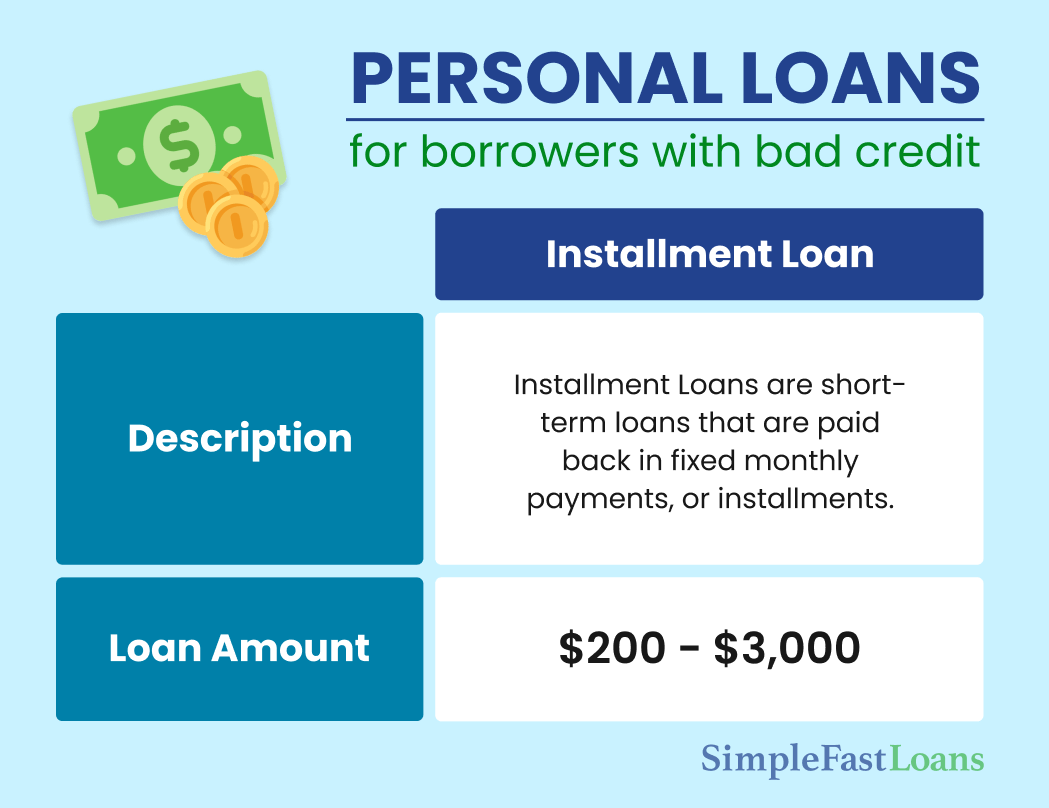
Can you get a personal loan with bad credit? Yes, you can. Just don’t expect the same interest rates or terms a person with a 750 score would get.
Securing funding is possible even if your credit history is a mess. There are lenders that specialize in high-risk borrowers, but they aren’t doing it out of the kindness of their hearts. They charge for that risk. If your score is under 580, your options look different, but they don’t disappear.
Expect higher interest rates, potentially shorter repayment terms, and maybe a cap on how much you can borrow. If you need the cash for an emergency or to consolidate high-interest debt, knowing how these lenders operate is the only way to avoid getting fleeced.
A single application won’t ruin your life. If you use a service like Acorn Finance, you can check personalized rates without any impact to your credit score. This “soft pull” lets you see what you qualify for before you actually commit to a hard inquiry.
What Lenders Actually Look at Besides Your Score
If you think your FICO score is the only thing that matters, you’re in for a rude awakening. When you walk into a traditional bank with a 520 score, they’ll likely show you the door. Banks want certainty. They want to know that if they give you $10,000, they’ll get it back with interest.
Online lenders are more flexible, but they have their own math. They look at your “ability to repay.” That’s just a fancy way of saying they want to see your bank statements and pay stubs. They need to see that your monthly income is significantly higher than your monthly obligations. If you earn $4,000 a month but your rent, car note, and credit card minimums eat up $3,800, you’re a risky bet, regardless of your score.
Your debt-to-income ratio (DTI) is a huge factor. Even with bad credit, a low DTI makes you look much better. Lenders also care about why you want the money. Using a loan to consolidate debt looks like a financial strategy; using it to go on a vacation or buy a new TV looks like a disaster waiting to happen.
Think about how your current debt affects your future borrowing power. If you’re looking to consolidate, GoodKnight Credit provides a perspective on how different loan structures might impact your monthly cash flow. You have to weigh the immediate relief of a lower monthly payment against the total amount of interest you’ll pay over the life of the loan.
Employment history matters, too. A person with three years of steady employment at the same company is a much safer bet than someone who has had four different jobs in the last year. In the lending world, stability is currency.
The Hidden Costs of High-Interest Lending
Let’s talk about the numbers, because this is where people get hurt. When you have bad credit, you aren’t just paying for the money you borrowed; you’re paying for the risk the lender is taking. This shows up in the APR (Annual Percentage Rate). For many online lenders, 35.99% is a common cap for those with poor credit. That is a massive number.
Compare that to a prime borrower who might see a rate of 8% or 12%. Over a three-year term, that difference can amount to thousands of dollars. You might think you’re solving one problem, like a high-interest credit card, while actually creating a much larger, more expensive one.
You need to be surgical with your planning. Before you sign anything, look at the total cost of the loan, not just the monthly payment, but the sum of all payments over the full term. Is the “relief” worth an extra $3,000 in interest? That’s the question you have to answer.
Watch out for these fees:
- Origination Fees: This is a fee taken off the top. If you borrow $5,000 and there is a 5% origination fee, you only receive $4,750, but you still owe the full $5,000.
- Prepayment Penalties: Some lenders hate it when you pay them back early because they lose out on interest. Make sure your lender doesn’t charge a fee for paying the loan off ahead of schedule.
- Late Fees: These are standard, but with a high APR, a late fee can snowball your debt very quickly.
Have you actually calculated how much a 30% interest rate will cost you over sixty months?
Many people fall into the trap of looking at the monthly payment alone. “I can afford $200 a month,” they say. But if that $200 is mostly interest and very little principal, you’re essentially running on a treadmill, moving fast but going nowhere. You’re just keeping the lender in business while your debt stays stagnant.
Navigating the Landscape of Different Lenders
Not all lenders are created equal. You will run into three main categories of people willing to lend to you when your credit isn’t great. Each has pros and cons you need to weigh.
First, there are the specialized online lenders. These companies often use alternative data, like your utility bill history or bank transactions, to determine creditworthiness. They are usually the fastest; you can sometimes get funded within 24 to 48 hours. They’re great for emergencies, but they are almost always the most expensive option. As noted by LendingTree, they look at much more than just your score, including your income and the reason for the loan.
Second, you have credit unions. If you’re a member of a local credit union, go talk to them. Because they are non-profits owned by their members, they’re often more willing to look at your specific situation. They might care more about your history with them than a score from a bureau. They offer much better rates, but the application process is often slower and requires more paperwork.
Third, there is peer-to-peer (P2P) lending. These platforms connect individual investors with borrowers. Since the money comes from people rather than a massive institution, the risk appetite varies. Some investors might take a chance on someone with a decent job but a low score, provided the loan is for something productive like debt consolidation.
| Lender Type | Best For… | Typical Speed | Interest Rates |
|---|---|---|---|
| Online Specialists | Speed & Accessibility | Fast (1-2 days) | High |
| Credit Unions | Low Rates & Personal Touch | Slower (Days to Weeks) | Moderate/Low |
| P2P Platforms | Niche Situations | Moderate | Variable |
If you want the best deals, you have to do the legwork. Don’t just accept the first offer in your inbox. Use comparison tools to see what’s out there. A difference of just 5% in your APR can save you a significant amount of money over a five-year loan.
Building Credit While You Pay It Back
There is a silver lining. If you handle a bad-credit loan correctly, it can actually be a tool to fix your credit. This is something many people overlook. Every time you make a timely payment on an installment loan, you’re reporting positive data to the credit bureaus.
This is particularly useful if your score is low because you have a “thin file” (not much history) or a history of late payments. A steady, on-time payment schedule proves to future lenders that you’ve regained control. It changes the narrative from “this person is a risk” to “this person is a reliable borrower.”
However, this only works if you actually pay the loan back on time. If you take out a loan to consolidate debt and then run up your credit cards again, you’re digging a hole that’s almost impossible to climb out of. You’d be doubling your debt instead of managing it. A loan is a tool, not a way to increase your spending power.
A few practical steps to make this work:
- Set up Autopay: Even if it’s just for the minimum, make sure the payment is never late. A single 30-day late payment can tank your score more than the loan helps it.
- Pay more than the minimum: If you can afford an extra $20 or $50 a month, do it. It reduces the principal faster and shortens the loan life.
- Don’t close old accounts: When you consolidate debt, you might be tempted to close the credit cards you just paid off. Don’t. The age of your accounts matters, and keeping them open (even with zero balances) helps your score.
The process might be more tedious than you expect. There’s a lot of paperwork and a lot of waiting. But if you approach it with a clear head, you can turn a period of financial struggle into a foundation for future stability.
The next time you look at your credit report, remember that it is a snapshot of your past, not a prophecy of your future.
Quick answers
Can I get a personal loan with bad credit?
Yes, many lenders specialize in bad credit loans, though they often come with higher interest rates and shorter repayment terms.
How do lenders determine eligibility for bad credit loans?
Lenders typically review your credit score, income level, debt-to-income ratio, and employment history to assess risk.
What are the risks of taking out a bad credit loan?
The primary risks include significantly higher APRs and the potential for increased total interest costs over the life of the loan.
Are secured or unsecured loans better for bad credit?
Secured loans are easier to obtain because they are backed by collateral, whereas unsecured loans carry higher interest rates due to increased lender risk.
Can I improve my chances of approval for a personal loan?
You can improve your chances by increasing your down payment, adding a co-signer, or reducing your existing debt before applying.