
Safety depends on your risk controls, position sizing, and choice of broker, as well as any regulatory protections in your region. Without the hassles of owning underlying assets, CFD trading provides strong opportunities to profit from market movements across a variety of asset classes. However, success demands thorough risk management, disciplined planning, and reasonable expectations.
Is CFD trading risky?
Two major advantages that CFDs (contracts for difference) offer over traditional stocks are leverage and shorting. If you’re used to trading stocks, CFD trading will feel familiar. In its most basic form, a CFD (contract for difference) is traded like a stock. You buy a CFD, and when the price increases, you sell it at a profit.
Free CFD trading courses and resources
Automatic loss limitations are enforced by regulatory bodies to protect traders. These measures ensure that traders have tools like stop-loss orders to automatically close positions at predefined loss levels. By requiring brokers to provide these risk management tools, regulators aim to minimize losses for traders, promoting responsible trading practices and market transparency. Brokers offer free pricing models, meaning they won’t charge a fee for executing trades or have fixed commissions.
Margin calls are a protective measure to prevent traders from accumulating losses beyond their available funds and potentially entering negative balance territory. Traders should always be aware of their margin requirements and monitor their positions closely to avoid margin calls and manage their risk effectively in CFD trading. CFD brokers should offer a diverse range of underlying assets across different markets, such as stocks, indices, currencies, commodities, and cryptocurrencies. When looking at a broker, make sure they offer the asset classes you want along with the specific assets.
Risk Management Strategies
They are offered by brokers alongside other types of common assets like forex, commodities and spot metals. This means that they derive their value from the movement of an underlying asset. Traders choose a market, decide whether to buy or sell based on price expectations, set their position size and risk limits, then monitor and close the trade when ready. Because CFDs are derivatives, traders do not own the underlying asset and cannot take physical delivery of shares, commodities, or other instruments. CFDs are offered by brokers alongside other assets like forex, commodities and spot metals.
Margin pressure and close out risk
Traders can also incorporate certain tools, such as the VIX (volatility index), into their trading strategy. This allows them to gain insights into market sentiment and potential volatility, helping them to make more informed decisions. Before a trader starts trading CFDs, there are a couple of factors they might want to consider, such as deciding which markets they wish to trade. This is because every market has its own level of volatility and liquidity, which could impact their trades. Leverage allows traders to open a bigger position with just a fraction of the required capital by depositing a small amount of capital into their account, called margin.
Why you should trade CFDs with Saxo
Before making any investment decisions, you should assess your own financial situation, needs, and objectives, and consider seeking independent professional advice. Please refer to our full disclaimer and notification on non-independent investment research for more details. Saxo Bank A/S and its entities within the Saxo Bank Group provide execution-only services, with all trades and investments based on self-directed decisions. Saxo’s content may reflect the personal views of the author, which are subject to change without notice. Saxo partners with companies that provide compensation for promotional activities conducted on its platform.
- It also helps to work from a repeatable method rather than from random setups.
- Hedging works by opening a position that offsets the position in a trader’s portfolio.
- Please refer to our full disclaimer and notification on non-independent investment research for more details.
- You could sell an equivalent amount through a CFD (going short) to profit if Tesla’s price falls.
- The CFD market is not bound by these restrictions, and all account holders can day trade if they wish.
- The final net result may be lower than the gross result once spreads, commissions, or overnight funding are included.
Going short means opening a sell position because the trader expects the market price to fall. Because the trader does not own the underlying asset, a CFD can be opened in either direction. In both cases, profit or loss depends on the difference between the opening fxverge.com reviews price and the closing price, multiplied by the contract size.
Engaging in a contract
Long CFDs begin to get real expensive past 6 weeks for they attract levy financing charges. This fee covers the capital you’ve effectively borrowed from us and reflects the cost of holding your position open. Since many people use CFDs with leverage, it’s essential you understand how leverage works.
Margin calls, margin closeouts and negative balance protection
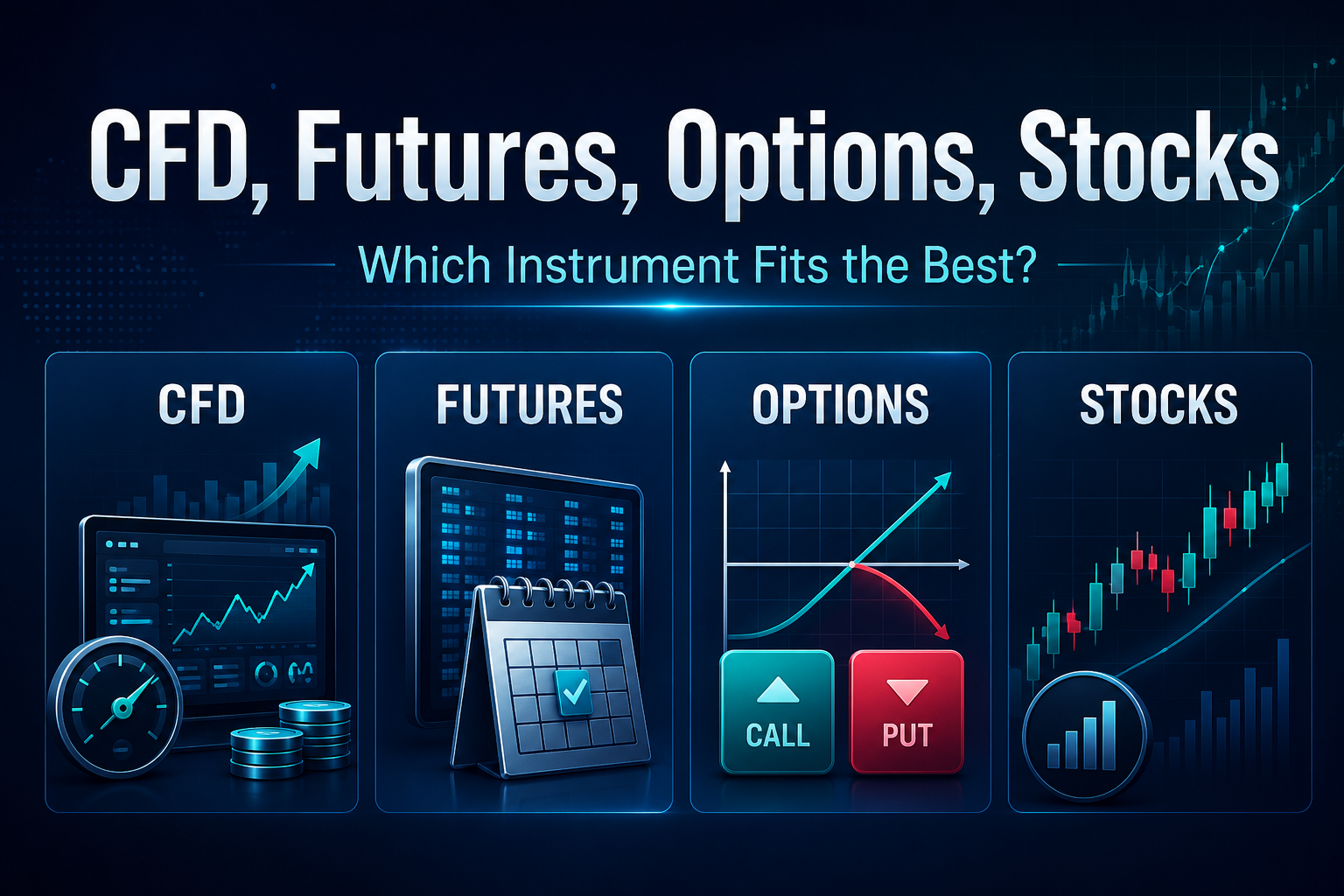
The price of your position is derived from prices in the underlying market. In simple terms, CFDs usually offer more flexibility in position sizing and rollovers, while futures provide standardized contracts and centralized exchange trading. For many retail traders, CFDs are easier to access, but this convenience comes with higher leverage and specific broker‑related risks. Both CFDs and futures are derivatives that allow traders to speculate on price movements without owning the underlying asset, but they differ in important ways.
What Are the Costs and Fees of CFDs?
If you are still unsure if investing is right for you, please seek independent advice. Saxo assumes no liability for any loss sustained from trading in accordance with a recommendation. To help you understand the risks involved we have put together a series of Key Information Documents (KIDs) highlighting the risks and rewards related to each product. Read more Additional Key Information Documents are available in our trading platform. For example, a 5% margin on a $10,000 position requires only $500.
Step 1 – Choose a Regulated CFD Broker
CFDs allow traders to profit from rising or falling prices, use leverage to increase market exposure, and trade without owning the underlying asset. Leverage is one of the defining features of CFD trading, but it is also one of its biggest risks. Because CFDs are traded on margin, you only need to deposit a fraction of the full value of the position to gain market exposure. While this can increase potential returns, it also means your losses are calculated on the total position size rather than just the margin you have committed. CFD trading involves high risk and leveraged positions in financial markets, requiring skill, analysis, and an understanding of market movements.