
The history of gambling Tracing its evolution through time
Ancient Origins of Gambling
The roots of gambling can be traced back to ancient civilizations, where games of chance were often intertwined with religious beliefs and social customs. Archaeological evidence suggests that the Chinese were engaging in gambling activities as early as 2300 BC, with the use of rudimentary dice made from animal bones. These early dice games were not just forms of entertainment; they also served as methods for divination and fortune-telling, highlighting the intersection of luck and fate in early cultures. At modern platforms like lizaro casino online gb, you can see how this tradition continues today.

In ancient Rome, gambling was a popular pastime among citizens, from emperors to commoners. The Romans enjoyed various betting games, including dice games and betting on gladiatorial contests. Gambling was so ingrained in Roman society that laws were enacted to regulate it, particularly in regard to unfair practices. This early recognition of gambling as a socially significant activity laid the groundwork for its evolution in later centuries, further intertwining it with concepts of luck and skill.
As civilizations expanded, so did the complexity of gambling games. The development of playing cards in the 9th century in China marked a significant leap in gambling history. Cards allowed for more strategic gameplay compared to traditional dice, introducing elements of skill alongside chance. This evolution set the stage for the diverse array of gambling options we see today, blending the roles of luck and skill in intriguing ways.
The Middle Ages and the Rise of Organized Gambling
The Middle Ages saw a transformation in the gambling landscape, primarily due to the influence of the Catholic Church, which often condemned gambling as immoral. However, despite these restrictions, gambling thrived in underground settings. The emergence of gambling houses and organized games provided a more structured environment for players, paving the way for formalized gambling practices. This period was marked by the introduction of games such as backgammon, which combined elements of strategy and luck.
During this time, the Italian city-states became central hubs for gambling. The invention of the lottery in Genoa in the 15th century showcased how states began to harness gambling for economic benefit. This new form of gambling allowed governments to raise revenue through public participation, further solidifying the connection between gambling and societal structures. The lottery became immensely popular, not only offering potential rewards but also providing funding for public projects.
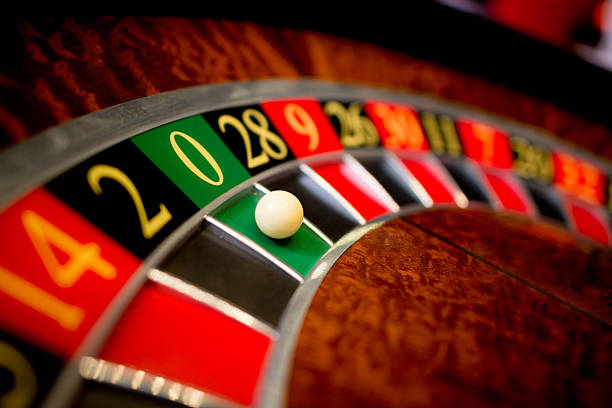
By the late Middle Ages, gambling had evolved to include more sophisticated games, such as the early forms of poker and the establishment of rules for games like roulette. This period marked a significant shift where the experience of gambling became an integral part of social life, highlighting the duality of luck and skill as players navigated the intricacies of these games.
The Advent of Modern Gambling
The 17th century heralded a new era in gambling with the establishment of the first official casinos in Venice. These venues catered to the wealthy elite and offered a variety of games, from card games to dice, in a lavish setting. The casino culture marked a significant change from informal gambling practices, emphasizing the luxurious experience surrounding gambling and further entwining the concepts of luck and skill.
The 19th century brought about a significant expansion of gambling, especially with the introduction of the lottery in various countries. This led to widespread gambling participation across different social classes. The Industrial Revolution enabled the mass production of gambling equipment, including roulette wheels and poker chips, making gambling more accessible to the general public. The growing popularity of these games contributed to the belief that luck could be harnessed and skill could be improved through practice.
The legalization of sports betting in various regions during the 20th century demonstrated the evolution of gambling into a significant economic force. The establishment of horse racing tracks and sports betting shops marked the intersection of gambling with public entertainment and leisure. As states began to regulate these activities, they recognized gambling’s potential for generating revenue, further solidifying its role in society.
The Digital Revolution and Online Gambling
The advent of the internet in the late 20th century revolutionized gambling, bringing it into the digital age. Online casinos and betting platforms emerged, allowing players to engage in their favorite games from the comfort of their homes. This shift made gambling more accessible than ever before, catering to a global audience and introducing new opportunities for both chance and skill-based games.
As online gambling grew, so did concerns about regulation and responsible gaming. Governments worldwide began to implement laws and frameworks to oversee online gambling operations, addressing issues such as addiction and fairness. The digital landscape has also facilitated innovative game designs, combining traditional gambling concepts with modern technology. Live dealer games, for instance, blend the social experience of a physical casino with the convenience of online play.
The rise of mobile gaming further transformed the gambling experience, allowing users to place bets and play games on their smartphones. This development has diversified the types of games available, catering to various preferences and skill levels. The emphasis on user experience in online gambling continues to drive innovation, ensuring that both luck and skill remain central themes in this ever-evolving industry.
Conclusion and the Role of Lizaro Casino
From its ancient origins to the digital platforms of today, gambling has undergone a remarkable evolution, reflecting changes in societal attitudes and technological advancements. Throughout history, gambling has balanced the interplay of luck and skill, engaging players across generations and cultures. The rich tapestry of gambling history serves as a testament to humanity’s fascination with chance and the pursuit of fortune.
Lizaro Casino stands at the forefront of this dynamic industry, offering a modern gaming experience that combines traditional excitement with innovative technology. Players can enjoy a wide range of games that appeal to both novice and experienced gamblers, all in a safe and engaging environment. With a generous welcome package and a commitment to providing exceptional gaming opportunities, Lizaro Casino continues the legacy of gambling, inviting players to explore the thrilling world of chance and skill.