
Understanding Prediction Markets: A Modern Take on Forecasting
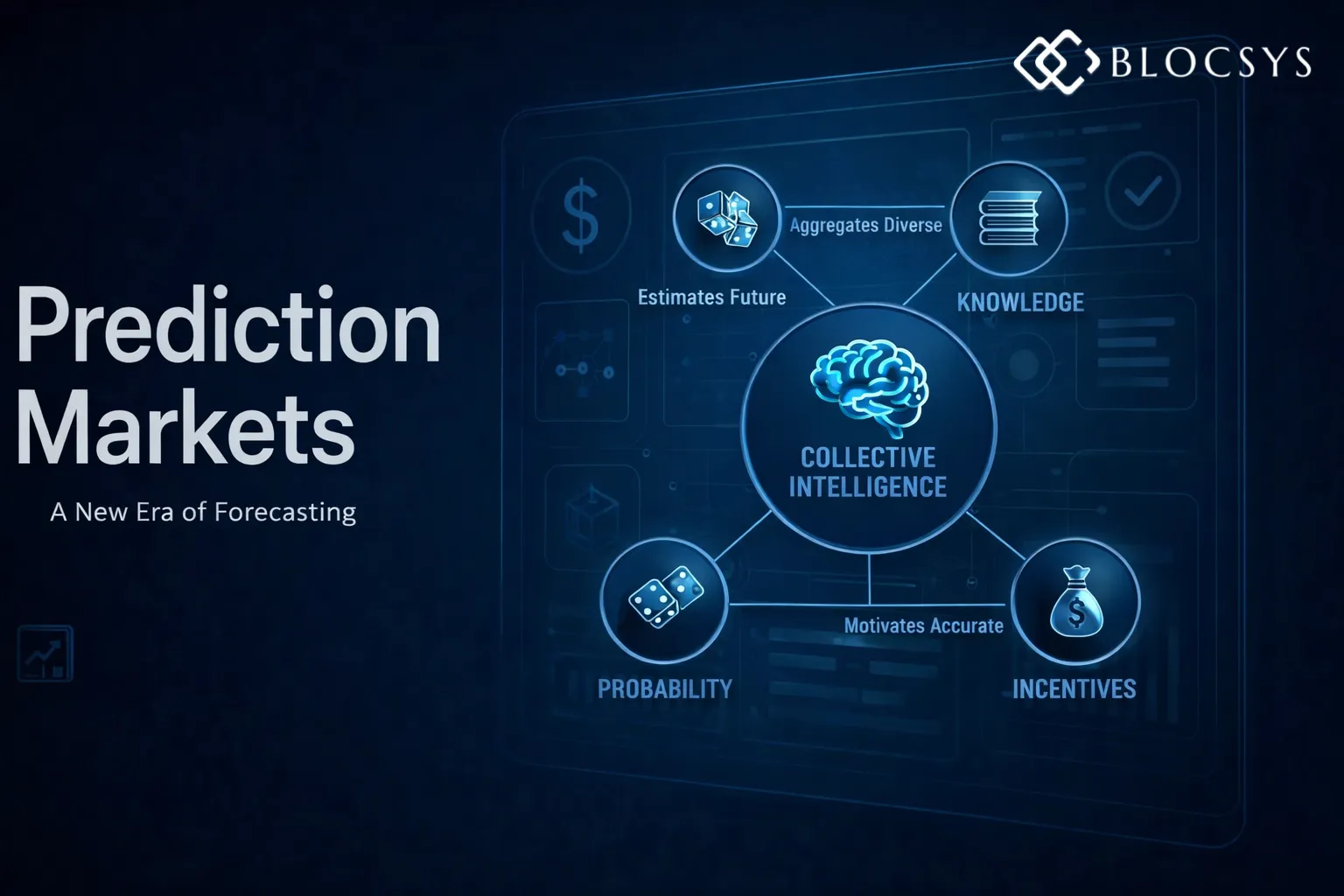
Prediction markets have emerged as a fascinating and dynamic approach to forecasting future events by harnessing the collective intelligence of participants. The basic premise is that individuals can buy and sell shares based on their predictions regarding the outcome of specific events, creating a marketplace where information and opinions converge. For those interested in taking their strategic decisions to the next level, you can explore platforms like prediction markets https://dexsport.io/casino/. In this article, we shall delve into the mechanisms behind prediction markets, their applications, and the benefits they offer compared to traditional forecasting methods.
What Are Prediction Markets?
Prediction markets, also known as info markets, market-based forecasting, or event derivatives, are platforms where participants can trade contracts based on the outcomes of future events. Whether it’s predicting election results, economic indicators, or even the outcome of scientific research, these markets aggregate diverse opinions into a collective prediction, which is often more accurate than individual forecasts. The exchange of information in these markets turns speculation into a structured and quantifiable medium.
How They Work
In a typical prediction market, participants buy and sell shares that represent their predictions of certain outcomes. For example, if participants believe that a candidate will win an election, they can purchase shares for that candidate. The price of the shares fluctuates based on demand; as more people believe in a candidate’s success, the share price increases, reflecting the market’s confidence in that outcome. Ultimately, if an event occurs, those who hold shares in the winning outcome are paid according to the contract’s terms, often yielding a profit for accurate predictions.
The Applications of Prediction Markets
Prediction markets have a wide range of applications across different sectors. Some notable examples include:
1. Politics
Political prediction markets have gained significant traction, especially during election cycles. Such markets can often predict electoral outcomes with surprising accuracy, giving insights into voter sentiment. They allow participants to bet on candidates, policy decisions, and even legislative outcomes.
2. Business and Economics
Corporations utilize prediction markets for strategic planning and decision-making. By placing bets on future sales, product launches, or market trends, businesses can gauge the potential success or failure of their initiatives. Additionally, they can gather valuable data on employee sentiment and forecast company performance.
3. Sports and Entertainment
The sports industry has also embraced prediction markets, where fans can bet on game outcomes, player performances, and various events related to the sport. This not only enhances viewer engagement but can also provide teams and managers with insights into public sentiment.
4. Scientific Research
In academia and scientific research, prediction markets can be used to forecast research outcomes, funding success, and even breakthroughs in technology and medicine. Researchers can bet on the likelihood of certain findings, motivating participants to predict based on the best available evidence.
Benefits of Prediction Markets
Why are prediction markets favored over traditional forecasting methods? Here are some of their distinct advantages:
1. Collective Intelligence
Prediction markets tap into the diverse knowledge and expertise of their participants. When combined, this collective intelligence often results in more accurate predictions than relying on a single expert or a small group of analysts.
2. Real-time Data
Unlike static polls or surveys, prediction markets provide continuous feedback based on live trading activity. This dynamic data is a more immediate reflection of public sentiment and can shift in real-time as new information becomes available.
3. Incentivization
Participants in prediction markets have a financial stake in their predictions, incentivizing them to conduct thorough research and analysis before placing bets. This results in better-informed decisions and enhances the overall quality of market predictions.
4. Reduction of Bias
Unlike traditional methods that may suffer from biases such as confirmation bias or groupthink, prediction markets offer a more transparent mechanism where diverse opinions can compete without undue influence. This leads to a more balanced assessment of outcomes.
Challenges and Limitations
While prediction markets have their advantages, they also face challenges and limitations:
1. Legality and Regulation
The legality of prediction markets varies across jurisdictions, and in some regions, they may operate in a gray area of the law. Regulatory frameworks need to be developed to ensure fairness and transparency in these markets.
2. Participation Bias
Successful prediction markets require a diverse crowd of participants. If only a certain demographic participates, the predictions may be skewed and not truly representative of the broader public opinion.
3. Manipulation Risks
There is potential for market manipulation, where participants could work together to sway predictions in favor of certain outcomes for their financial gain, compromising the integrity of the market.
The Future of Prediction Markets
As technology advances and more people become familiar with the concept of prediction markets, we can expect their expansion in various sectors. The integration of blockchain technology could

enhance their transparency and security. Furthermore, the growing acceptance of decentralized finance (DeFi) may lead to the emergence of decentralized prediction markets, providing greater accessibility and fairness in forecasting.
Conclusion
Prediction markets represent a unique blend of markets, psychology, and forecasting, providing valuable insights into the future based on collective knowledge. As businesses, governments, and individuals seek to make more informed decisions, their reliance on prediction markets will likely continue to grow. By embracing these innovative platforms, we can enhance our decision-making processes and improve our understanding of various events and phenomena.